

 TR
 EN
 ZH
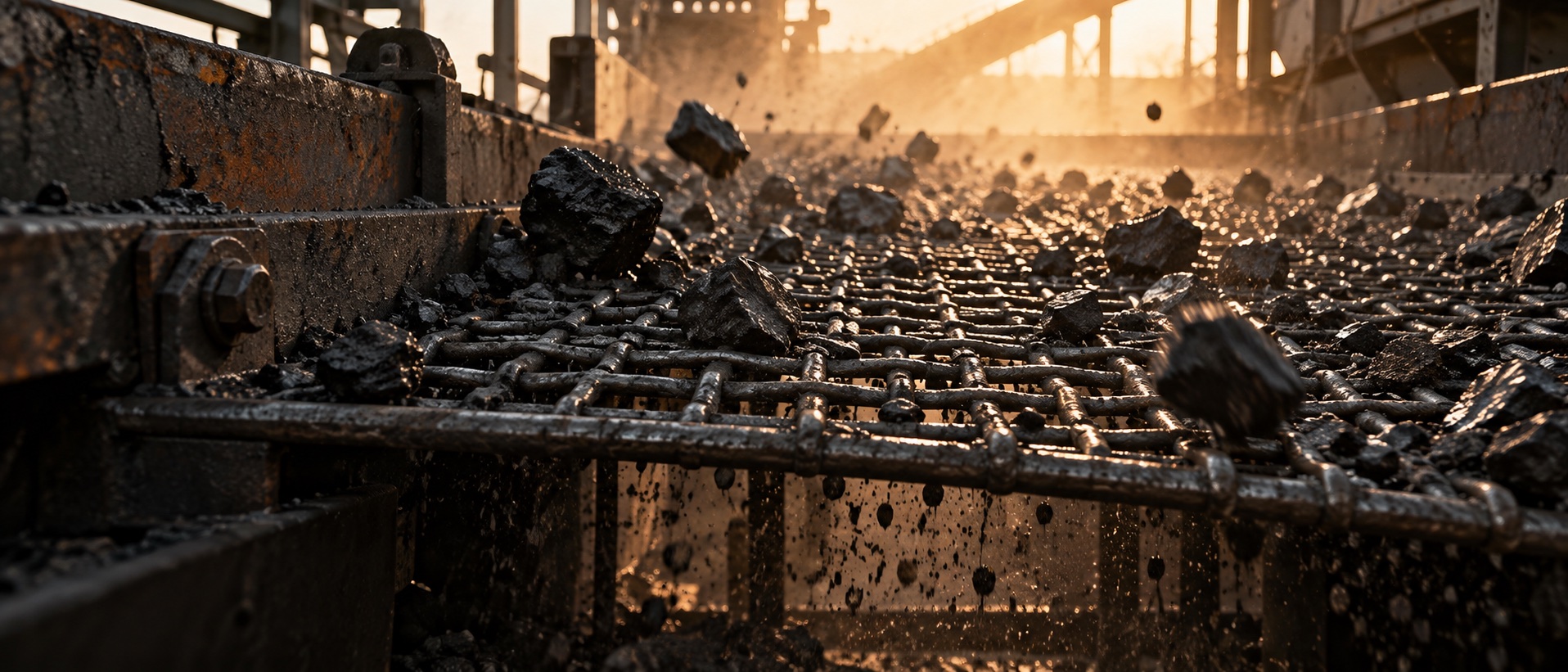
Pea Coal
The smallest of the lump sizes. Suited to automatic-feed boilers.
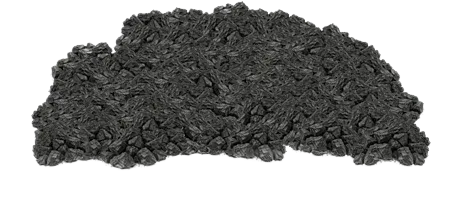
Pea Coal
The smallest of the lump sizes. Suited to automatic-feed boilers.
- Type
- Lignite
- Source
- Ermenek / Cenne Linyit
- Sold as
- Bagged
Images are for illustration only and do not show actual size.
Pea coal has the smallest pieces of the lump sizes: smaller than nut coal, bigger than fines. Its small, even pieces make it the natural choice for boilers that feed themselves.
Where is it used?
- Automatic-feed boilers: Auger-fed boilers need small, even pieces.
- Small stoves: Can also be used in stoves with narrow fireboxes.
In automatic boilers, always use the size the manufacturer recommends; a different size can cause problems in the feed system.
Using it
Make sure the coal is dry before filling the hopper; damp coal can clump in the feed system. Topping up before the hopper runs empty helps the boiler run without interruption.
How is it prepared?
We source our coal from the Cenne Linyit mine in Ermenek, where we work on the same site. The coal is passed through screens and sorted into five sizes: large lump, cobble, nut, pea and fines. Each size is bagged separately, so the bag you receive never contains mixed sizes.
Ordering
We sell in bags only. For prices and stock, call us or use the contact form to tell us the size and quantity you need. If you are not sure which size suits you, just send us the make and model of your stove or boiler and we will work it out together.
Storage
Store coal in a dry, covered and well-ventilated place. Damp coal is harder to light and burns less evenly.
- Place the bags on a pallet or boards rather than directly on the ground.
- Choose a spot sheltered from rain, snow and direct sunlight.
- Keep them away from stoves, boilers and other heat sources.
- Store out of reach of children.
Safe use
- Have the chimney of your stove or boiler cleaned at the start of every season and make sure it draws well.
- Keep a carbon monoxide detector in any room where coal is burned.
- Do not overfill the stove before going to bed or fully close the air vents.
- Do not empty ash into bins or plastic containers until it has cooled completely.
If you feel a headache, dizziness or nausea, ventilate the room immediately, go outside and call emergency services if needed.