 TR
 EN
 ZH
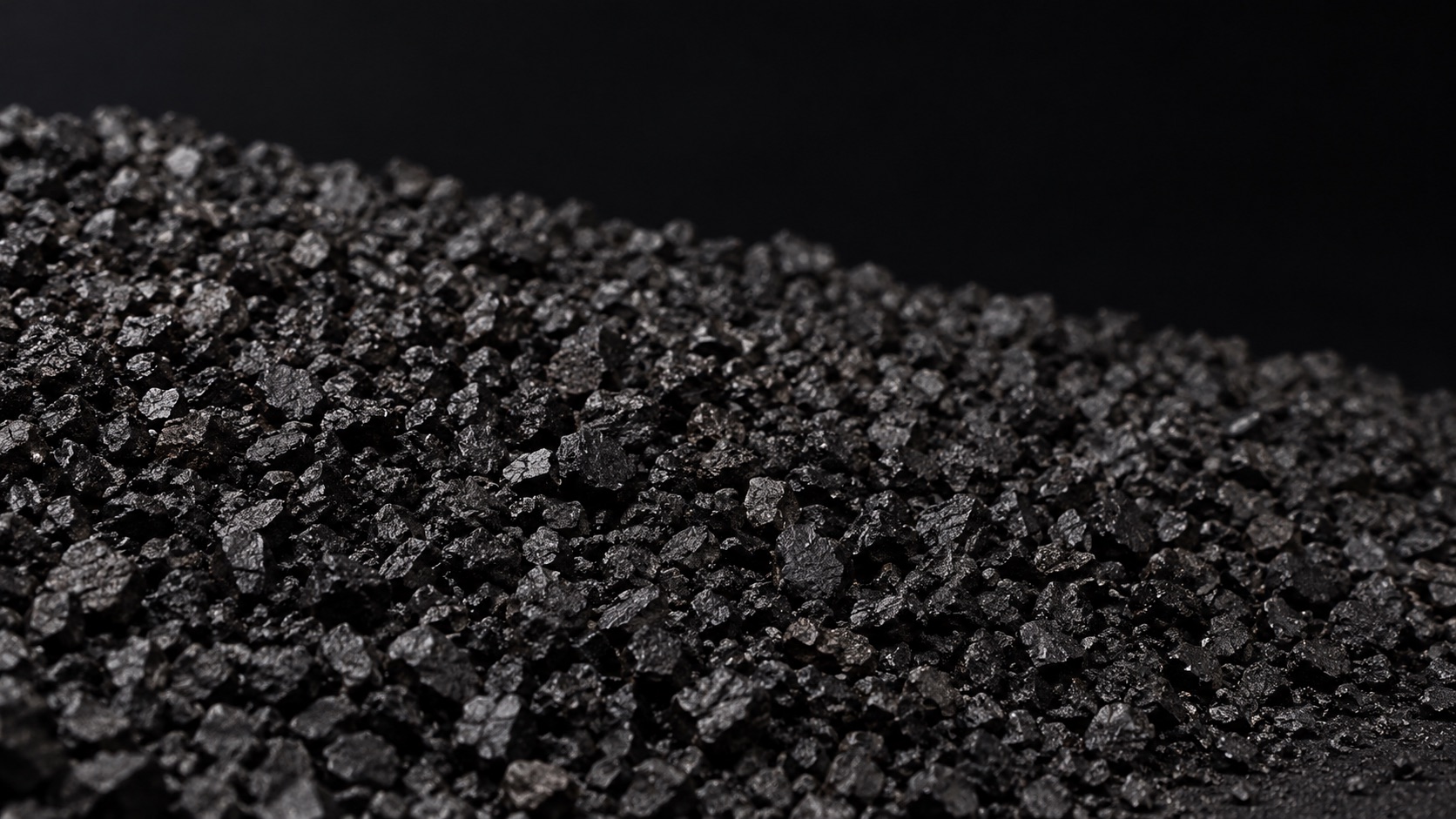
Pea coal is a size made up of small pieces. This makes it especially suitable for automatic-feed boilers. In this article we explain what pea coal is, why it is preferred in automatic boilers and which systems it should not be used in.
What is pea coal?
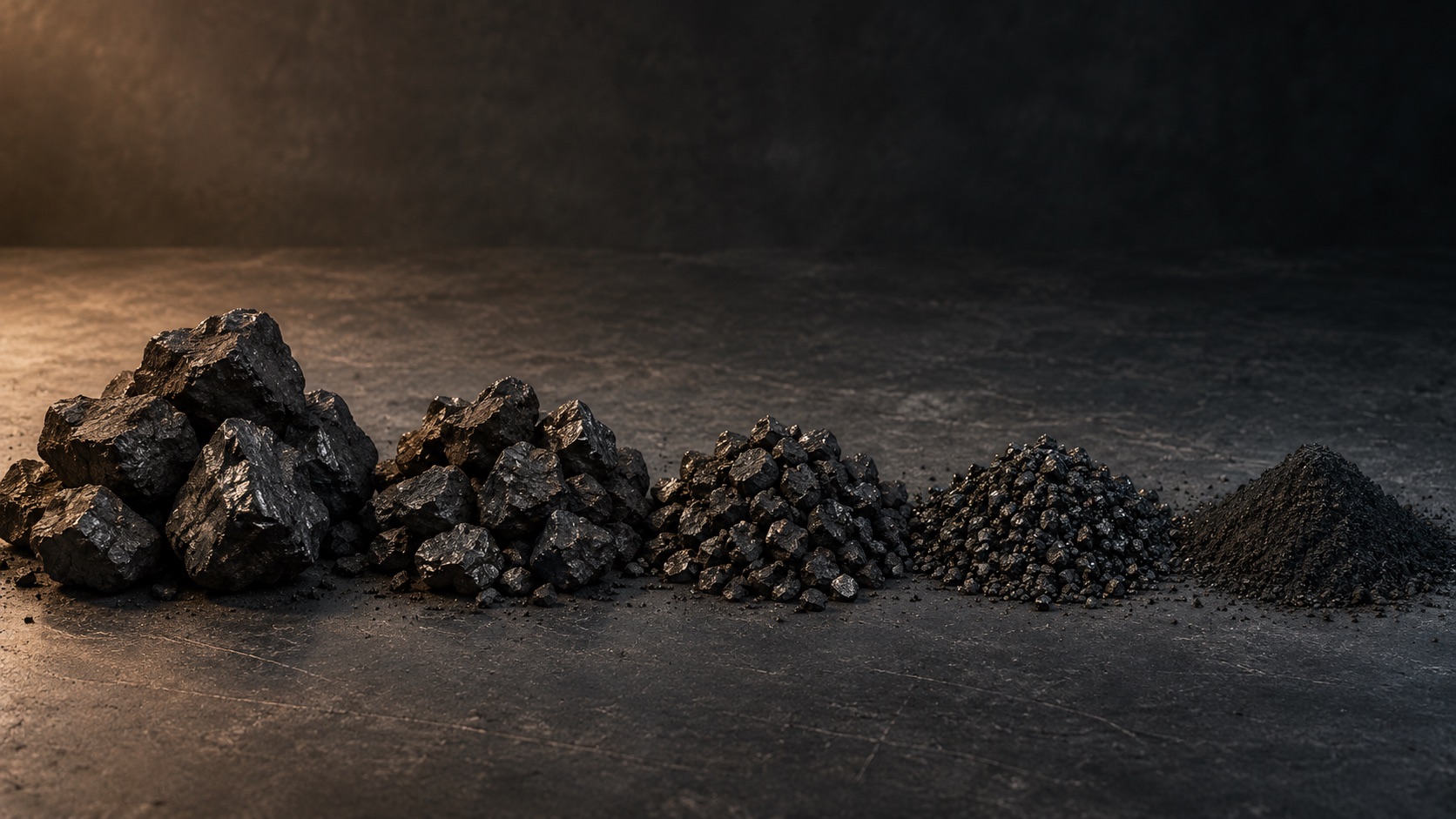
During screening, the pieces smaller than nut and larger than fines make up pea. The pieces are small and close in size. This evenness lets them move smoothly through a feed system.
What is an automatic-feed boiler?
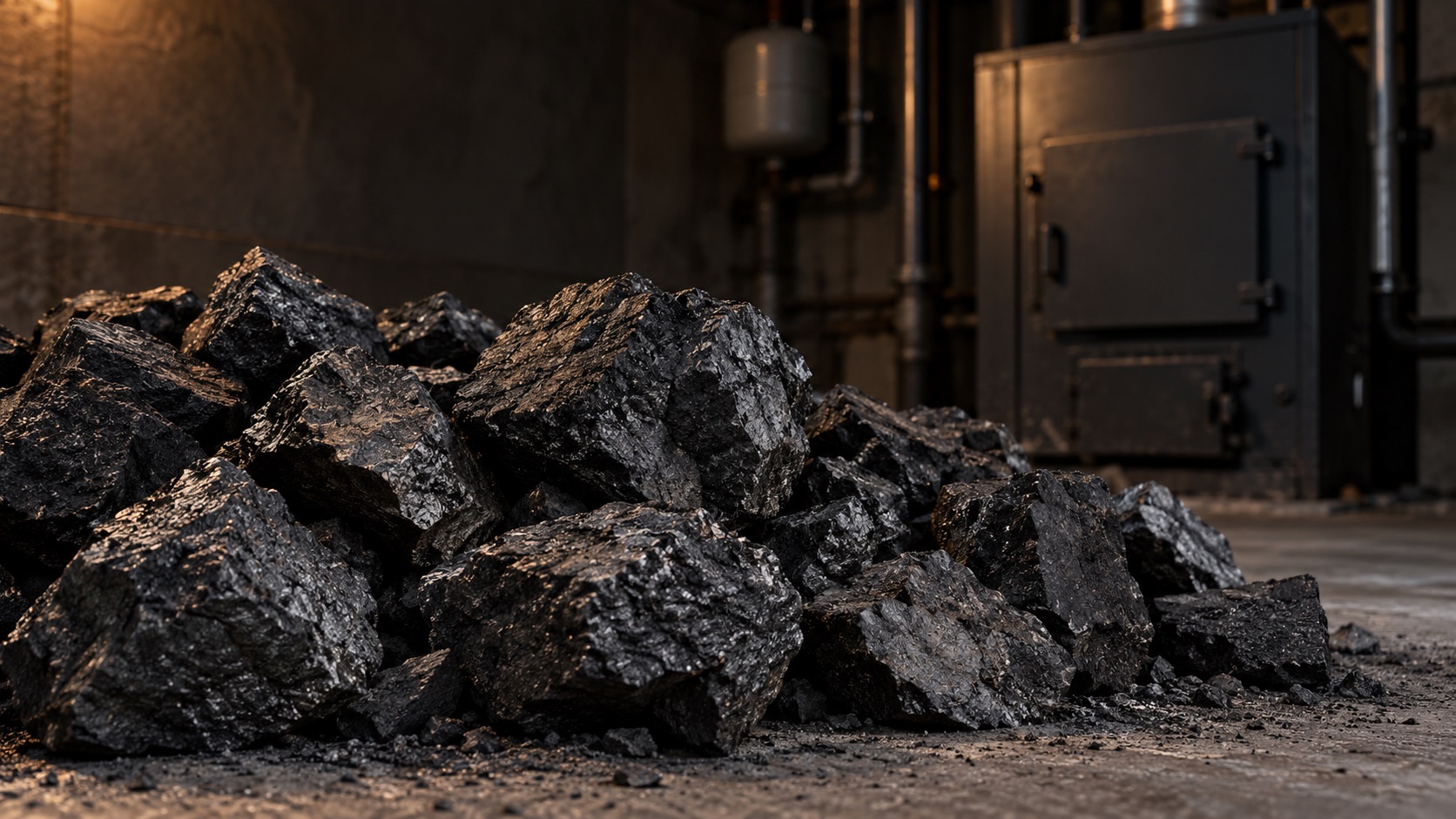
In automatic-feed boilers the coal is loaded into a hopper. The boiler itself carries the coal from the hopper to the combustion chamber at set intervals, so there is no need to keep feeding it by hand.
Why pea?
- It suits the feed system: Small, even pieces move through the boiler's feed system without getting stuck.
- It feeds steadily: Pieces of similar size help keep the amount of coal reaching the combustion chamber balanced.
- It fills the hopper easily: Small pieces fill the hopper without leaving gaps.
Can it be used in hand-fed stoves?
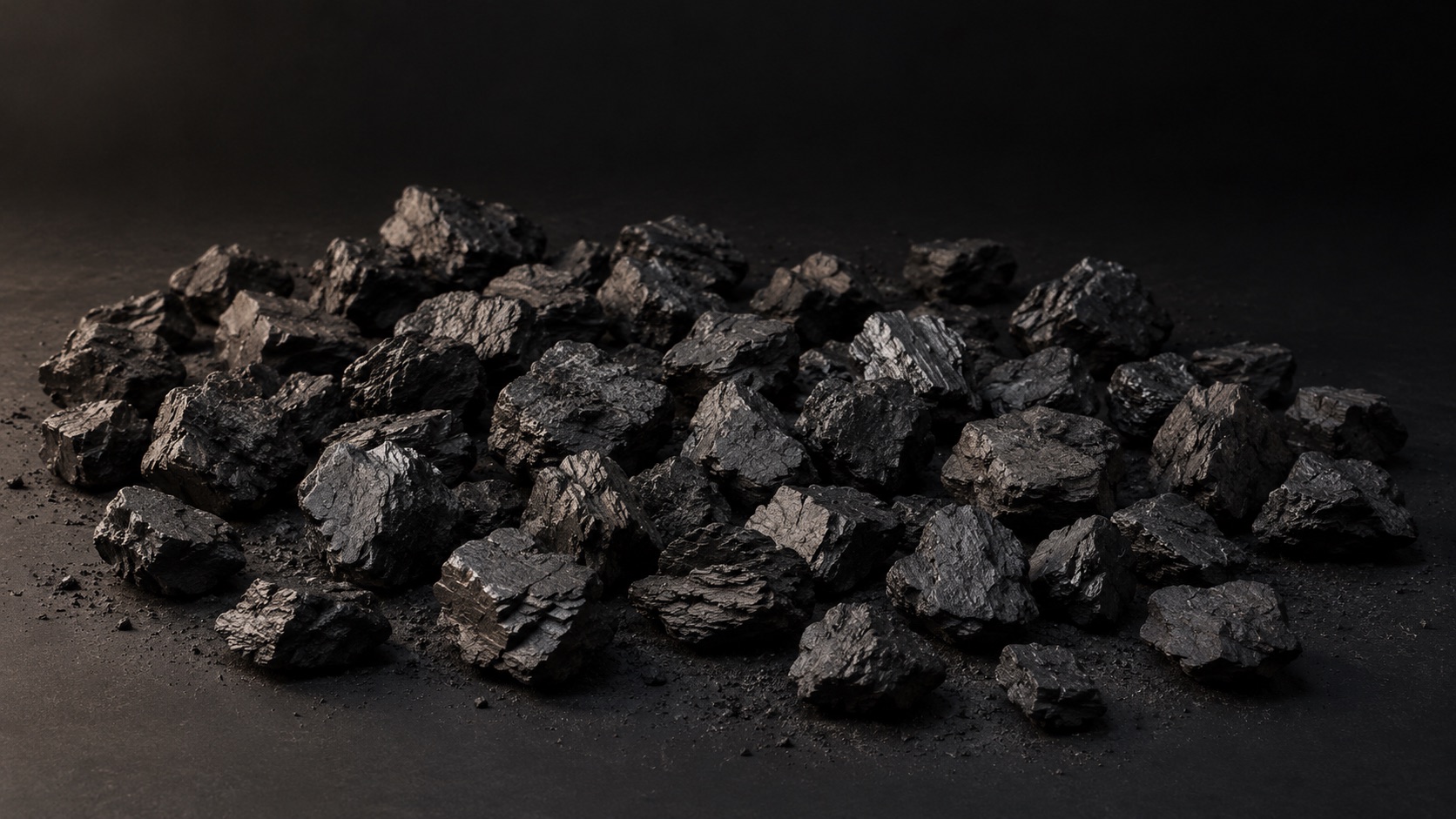
Because pea is small, the pieces may fall through the grate in hand-fed stoves with wide grate gaps. Small pieces can also pack together and make it harder for air to pass. Nut or cobble suits these stoves better.
Things to watch out for
- Check the fuel size recommended in your boiler's manual.
- Don't put damp coal in the hopper; moisture can strain the feed system.
- Make sure no foreign objects (stones, bits of packaging and so on) get into the hopper.
- Don't skip the boiler's regular maintenance.
Storage
Keeping coal dry is especially important for automatic boilers. Store the bags in a closed, dry area where they don't touch the ground. Opening the bags near the boiler when filling the hopper reduces dust.
If you are not sure which size is recommended for your boiler, tell us its make and model and we will look into it together.
Ordering
We bag pea coal separately. For orders and prices, give us a call or fill in the contact form.